The Birds, the Bees, and the Sperm Whale

Featured

There are mornings when I feel like the only thing standing between my two sons, Miles and Ryan, and a full scholarship to Clown College is me, a cold cup of coffee, and a prayer. Take last week, for example. I was trying to get them into the car for school—a task that, on a good day, requires the negotiation skills of a hostage negotiator and the patience of a saint. Instead, they were busy inventing Olympic-level couch gymnastics in the living room, fueled by the nutritional power of one (1) soggy waffle and a gallon of sibling rivalry.

And just when I thought I’d reached the summit of parental frustration, I overheard them giggling and whispering, “I am going to sex you up.” I did what any modern parent would do: I pretended I didn’t hear, and hoped they were talking about a new brand of breakfast cereal. But after a few days of this, my wife handed me the baton of responsibility with the words every father dreads: “You’re the dad, so YOU need to tell them about the birds and the bees.” I had been hoping to put that off until they were old enough to vote, or at least old enough to stop putting Legos in their noses.

After five days of “sex me up” echoing through the halls, inspiration struck. “Hey, boys!” I called out. “Do you want me to tell you about sex?” You’d have thought I’d offered to take them to meet Willie Mays . Their eyes widened, mouths dropped open, and suddenly, both boys were sprinting for their lunches, backpacks slung over their shoulders, and buckled into the car with the solemnity of astronauts preparing for launch. I slid into the driver’s seat to find them pale, hyperventilating, and possibly reconsidering their entire vocabulary.

Now, at their school, whales are not just a topic—they’re a lifestyle. The curriculum is 30% math, 20% reading, and 50% whales. There’s a whale project at the end of the semester, which, by the way, is being completed almost entirely by parents who now know more about cetaceans than Jacques Cousteau. Every night, we cut out whale pictures, research whale facts, and contemplate moving to a landlocked state.

As we drove, I asked, “Do you know where babies come from?” Ryan, the younger one, piped up with the confidence of a man who’s watched one too many nature documentaries: “Something about the place where you poop.” I took a deep breath and remembered my own mother’s advice: “Answer only the questions they ask. Don’t elaborate.” So I gave them the bare essentials, condensed into a five-minute car ride, and congratulated myself on a job well done.

As they climbed out of the car, I said, “That was great! We can talk more about this tomorrow.” Ryan turned to me, eyes shining with the light of misunderstood knowledge, and said, “No, Dad, we understand it now. Babies come from sperm whales,” and shut the door.

That was the last time we had the talk. I suspect the subject will resurface—possibly during the whale unit, possibly in therapy. Either way, I’m brushing up on my marine biology, just in case
Ham

If Erma Bombeck had found herself in a university town, surrounded by artisanal coffee shops and parents who considered quinoa a food group, her take on Kinderschule would have gone something like this:

It was the kind of scene that makes you want to check your cholesterol and your privilege at the door. Picture it: a “non-religious” Jewish Sunday school for preschoolers, which means you can have your kugel and eat it too, as long as it’s gluten-free and ethically sourced. The sign said “open to all,” which in university towns translates to “bring your own tofu.” My wife, a lapsed Catholic, and I, a secular Jew, thought we’d let the kids figure out their spiritual GPS on their own. That is, until Ryan announced to a neighbor, “I know I’m something ‘ish’…I know, I’m Peruish.” That’s when I realized we might need a little more structure and a little less ‘ish’ in our lives.

So there we were, first day of Kinderschule. The teacher, Betty, looked like the kind of grandma who could knit you a sweater and a guilt complex in the same afternoon. Fifteen parents, all sitting cross-legged on the floor, knees cracking like a bowl of matzo ball soup.

Betty started the introductions. “Let’s go around the circle and get to know each other.” Emmi, the first little girl, was asked her favorite holiday food. “Gummy bears,” she chirped, because nothing says tradition like high-fructose corn syrup. Her mother, clearly auditioning for a spot in the Parenting Olympics, tried to intervene: “Isn’t it the broccoli pancakes you like?” Emmi, future truth-teller, said, “No.”

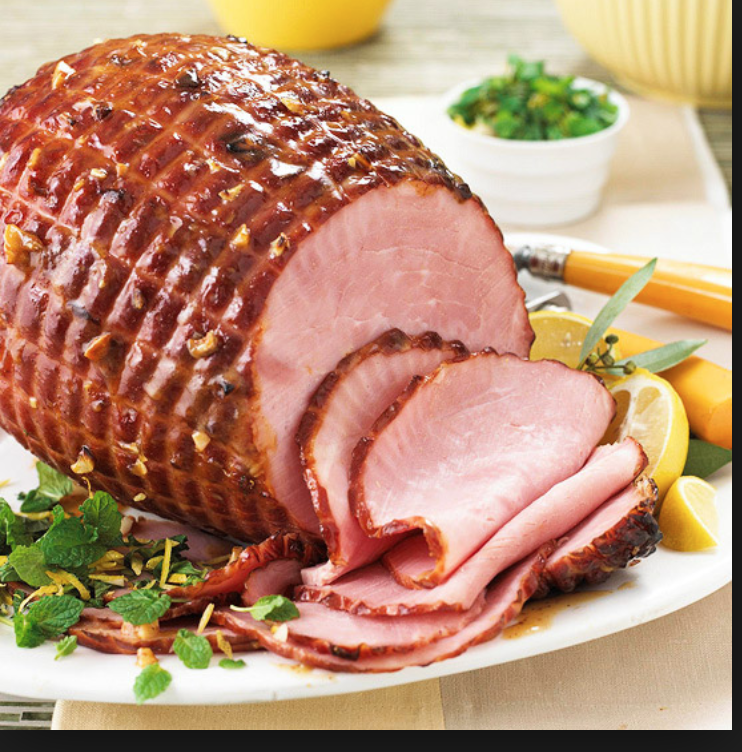
Then it was Ryan’s turn. “Ryan, what is your favorite food?” He mumbled something, and Betty, ever hopeful, said, “Oh, did you say you like lamb?” Ryan, channeling his inner megaphone, shouted, “NO, EASTER HAM!”

The room went silent. Betty looked like she’d just discovered ham in her matzo ball soup. After a long pause, she smiled, the way only a seasoned Kinderschule teacher can, and said, “Let’s play another game.”

Because in the end, isn’t that what parenting is? One long, confusing game where the rules keep changing, and you’re never quite sure if you’re winning, but you’re definitely not eating the broccoli pancakes.

SPECIAL

If Erma Bombeck had been handed a syllabus from an elite kindergarten, she might have written it like this:

Kindergarten these days isn’t what it used to be. When I was five, your “special place in the world” was the corner of the sandbox you didn’t have to share with Joey, who ate paste. But at Ryan’s school—where the tuition is high enough to make your mortgage blush—self-discovery is a unit, not a happy accident.

The first assignment: “What makes me unique and special?” I thought the answer would be “I can tie my shoes” or “I don’t eat the crayons anymore.” But this is an advanced kindergarten. These kids had to pass interviews and skills assessments just to get in. I half-expected to see “I am special because I can recite the periodic table in Mandarin.”

So imagine our delight when the phone rang. It wasn’t even October yet. The headmaster summoned us, and if you’ve never been summoned by a headmaster, let me assure you, it’s like being called to the principal’s office, only the furniture is more expensive and the coffee is worse.

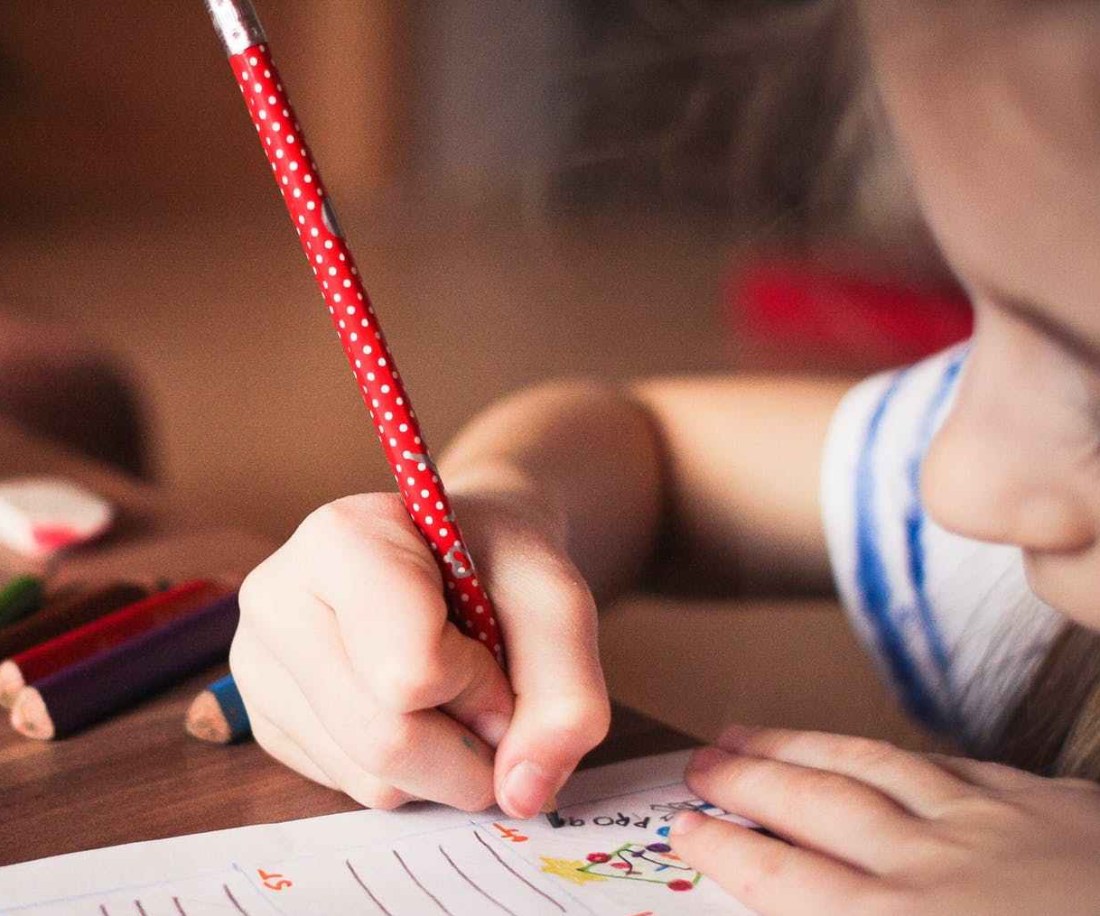
There he sat, holding Ryan’s homework like it was radioactive. In bold, black, kindergarten scrawl: “I AM NOT SPECIAL.” Not “I like baseball.” Not “I have a brown dog.” Just a philosophical bombshell in all caps.

He asked us, “Is Ryan…okay?” We assured him Ryan was as normal as any kid who thinks ketchup is a vegetable.

That night, we had the talk. “Ryan, do you really think you’re not special?”

He looked at us, all the wisdom of Socrates in a Star Wars T-shirt, and said, “Dad, if everyone is special, then there is nothing special about being special. So I AM NOT SPECIAL.”

That’s when we knew: we weren’t raising a kindergartner. We were raising a philosopher. And we were in for a very, very long ride.